
Administrative / Public Law
1. Procedural and Administrative Failures
Procedural Irregularity
This section contains disclosures where public bodies, administrative authorities or courts have failed to carry out their duties in accordance with lawful process. Failures include non-acknowledgement of applications, unrecorded correspondence, off-record judicial letters, incorrect communication channels, and omissions that prevent a matter from progressing. These events undermine transparency and prevent parties from exercising their legal rights within the proper procedural framework.
2. CPR Framework and Procedural Law
I. CPR 1.1 — The Overriding Objective
Cases in this category frequently disclose conduct inconsistent with CPR 1.1, where the matter is not dealt with justly, proportionately or in a way that ensures parties are placed on an equal footing. Administrative silence, ignored applications and unsealed directions fall squarely within this breach.
II. CPR 1.3 — Duty to Assist the Court
Behaviour that obstructs communication, suppresses acknowledgement or fails to respond to procedural requests is contrary to the duty under CPR 1.3. Such failures prevent the court from performing its case-management functions and affect the fairness of proceedings.
III. CPR 3.1 — Case-Management Powers
Procedural breakdowns often involve acts taken without proper authority or omissions that fall outside CPR 3.1. Where no valid order exists, no direction has been issued, or the administrative layer is frozen, subsequent steps cannot lawfully engage case-management powers.
IV. CPR 6.3 / 6.20 — Service of Documents
Disclosures frequently include incorrect service, non-service, or the use of unauthorised channels. Where documents are served outside CPR-compliant procedures, the service is defective and cannot form part of any lawful step in the proceedings.
V. CPR 23.7 — Evidence on Applications
Where evidence or submissions are provided without any listing order or procedural direction, they do not satisfy CPR 23.7. This includes attempts to introduce materials intended to influence outcomes during periods of administrative or judicial silence.
VI. CPR 39.2 / 39.5 — Hearings and Skeleton Arguments
Skeleton arguments or hearing materials issued without a sealed listing order or timetable cannot be valid under CPR 39.2 or CPR 39.5. Their use in periods of administrative freeze constitutes procedural misuse and creates the impression of a hearing structure that does not lawfully exist.
3. Record-Keeping Duties and Statutory Compliance
I. Public Records Act 1958 — Section 3
Many disclosures arise from the failure of courts or authorities to maintain an accurate, complete and accessible record, including the absence of CE-File entries, unlogged communications, or letters issued without seals. These omissions breach statutory obligations relating to the maintenance of public records.
II. Data Protection Act 2018 — Accountability and Accuracy
Where procedural correspondence, applications or judicial communications are withheld, unrecorded or missing, the authority breaches its obligation to maintain accurate data and demonstrate accountability in the management of personal information.
III. HMCTS Digital Communications Protocol (2024)
The protocol requires responses to be issued through the correct digital channel and logged within the case-management system. Off-record letters, postal communications without digital counterparts, or unexplained administrative silence fall outside these mandatory requirements.
4. Jurisdictional Error and Ultra Vires Conduct
I. Practice Direction 7A — Paragraphs 2.4–2.6
Disclosures in this category include cases where judicial or administrative actors have misrepresented transfer powers or made determinations outside their authority. PD 7A sets out mandatory considerations for transfer to the High Court, including claim value and complexity. Decisions issued without sealed orders or contrary to PD 7A are ultra vires and cannot determine venue.
Reading County Court, A nexus of procedural breakdown, lost filings, and judicial inconsistency across multiple Deputy District Judges.
-
Image
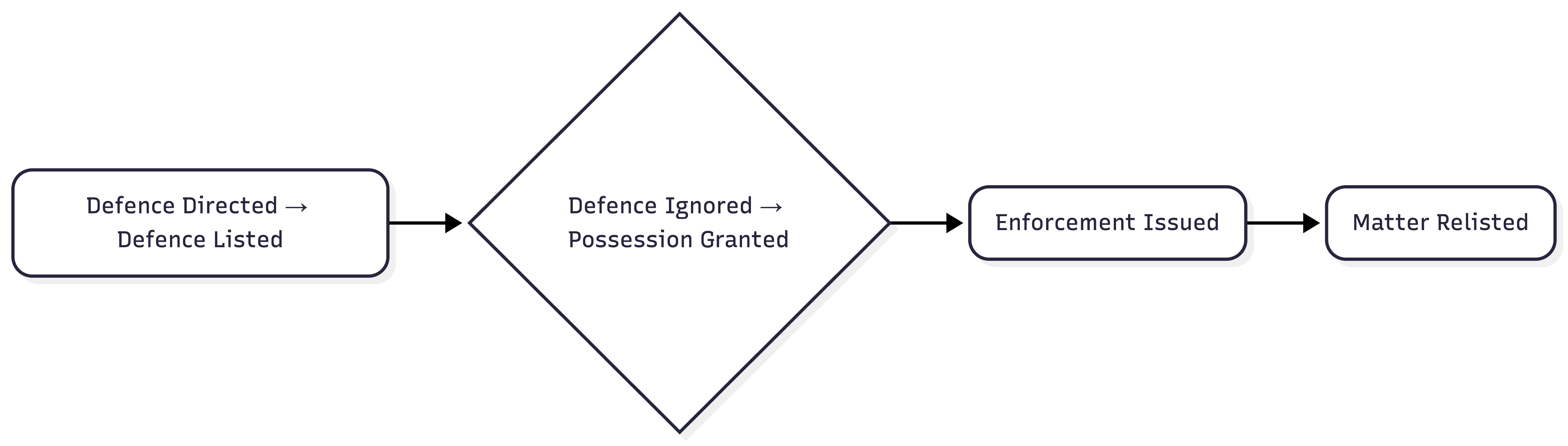
Embedded across NHS, insurers, and public-sector contracts, DAC Beachcroft’s dual role blurs state and commerce, turning governance itself into a client.
-
Image

From landlord misrepresentation to judicial neglect — a closed civic circuit of fraud and verification failure.
-
Image
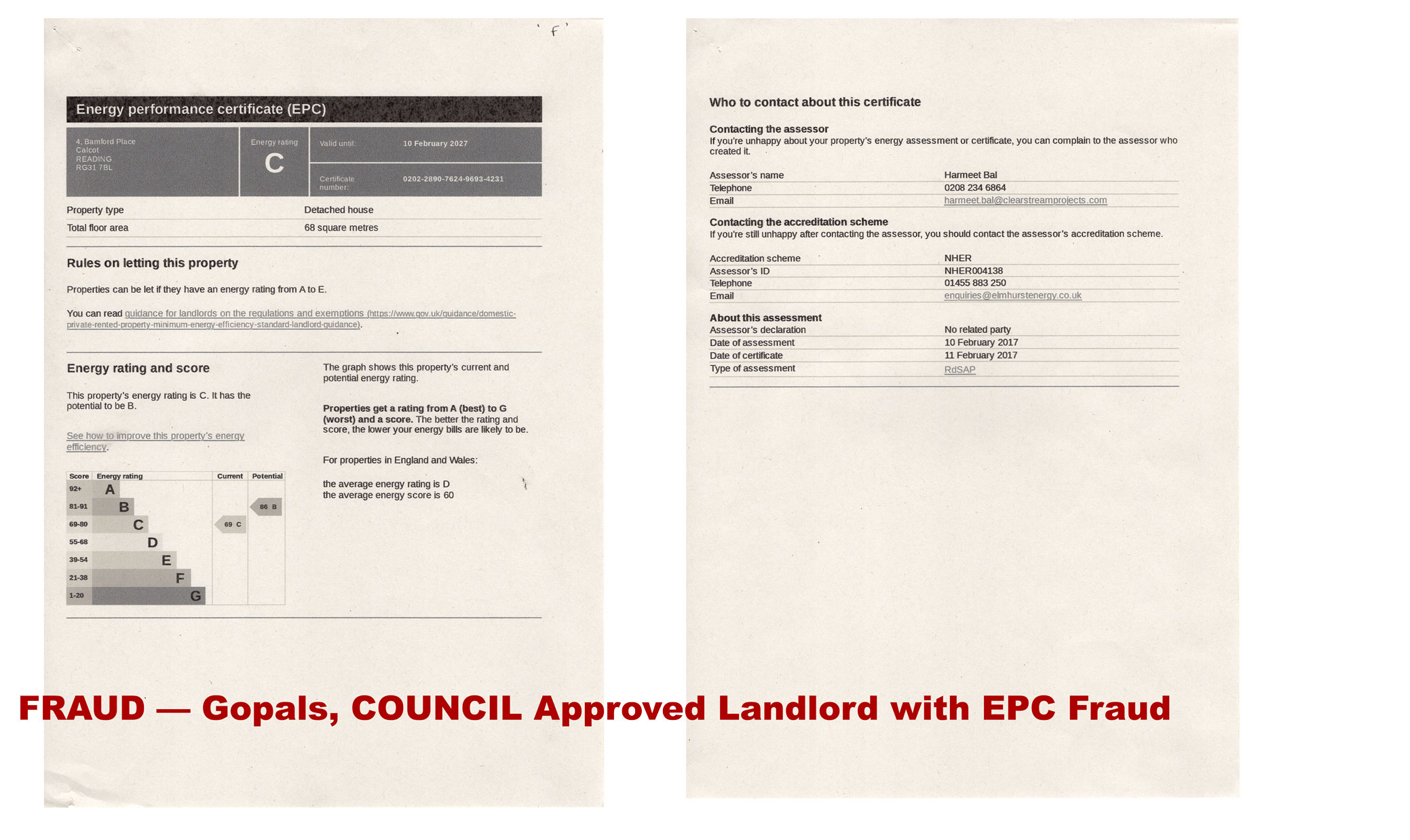
DWP / Universal Credit headquarters site of unresolved welfare-administration breaches.
-
Image

Service by unapproved channel during active proceedings a departure from rule-based process.
-
Image
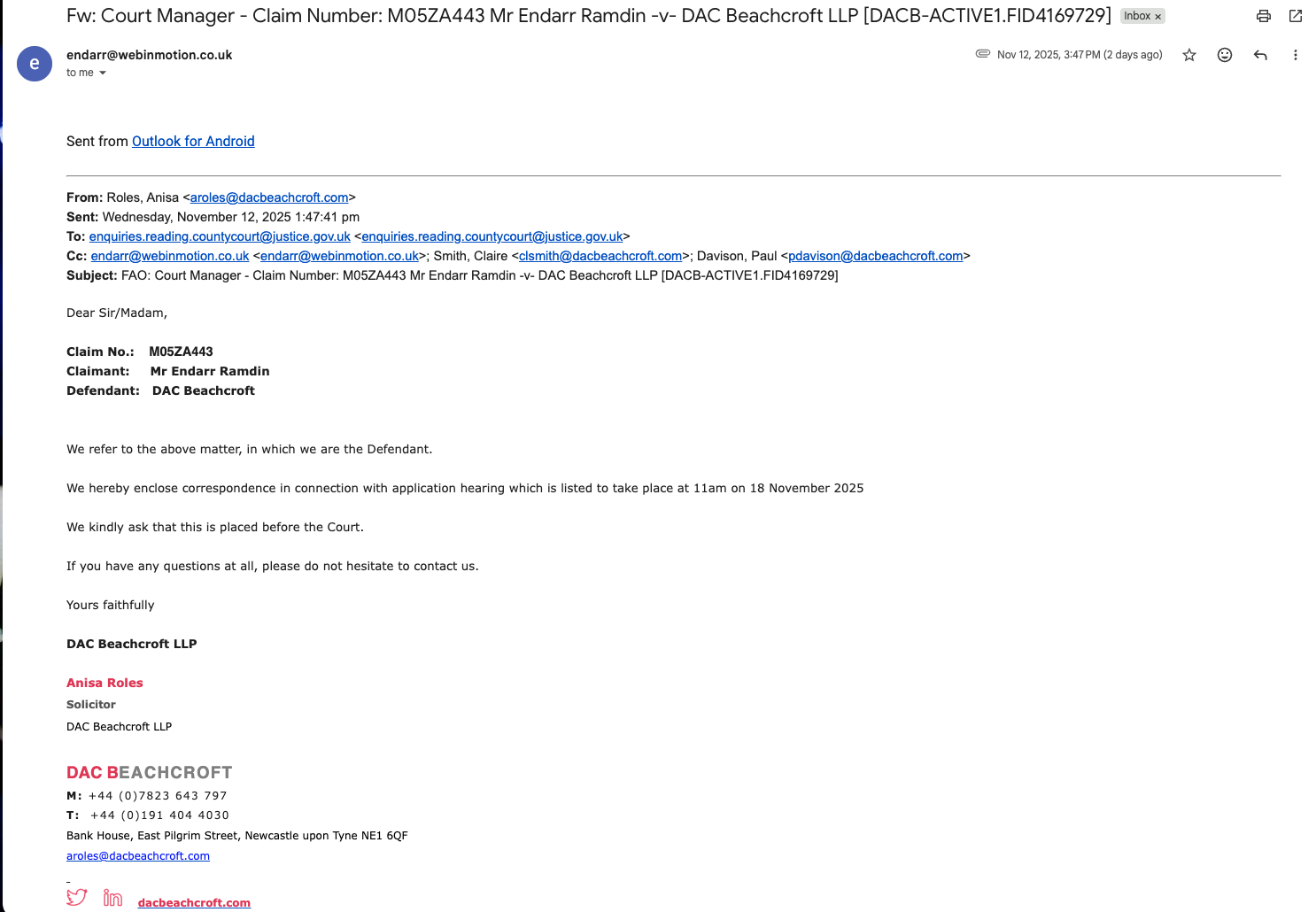
Judicial correspondence diverging from the Civil Procedure Rules before adjudication has begun.
-
Image
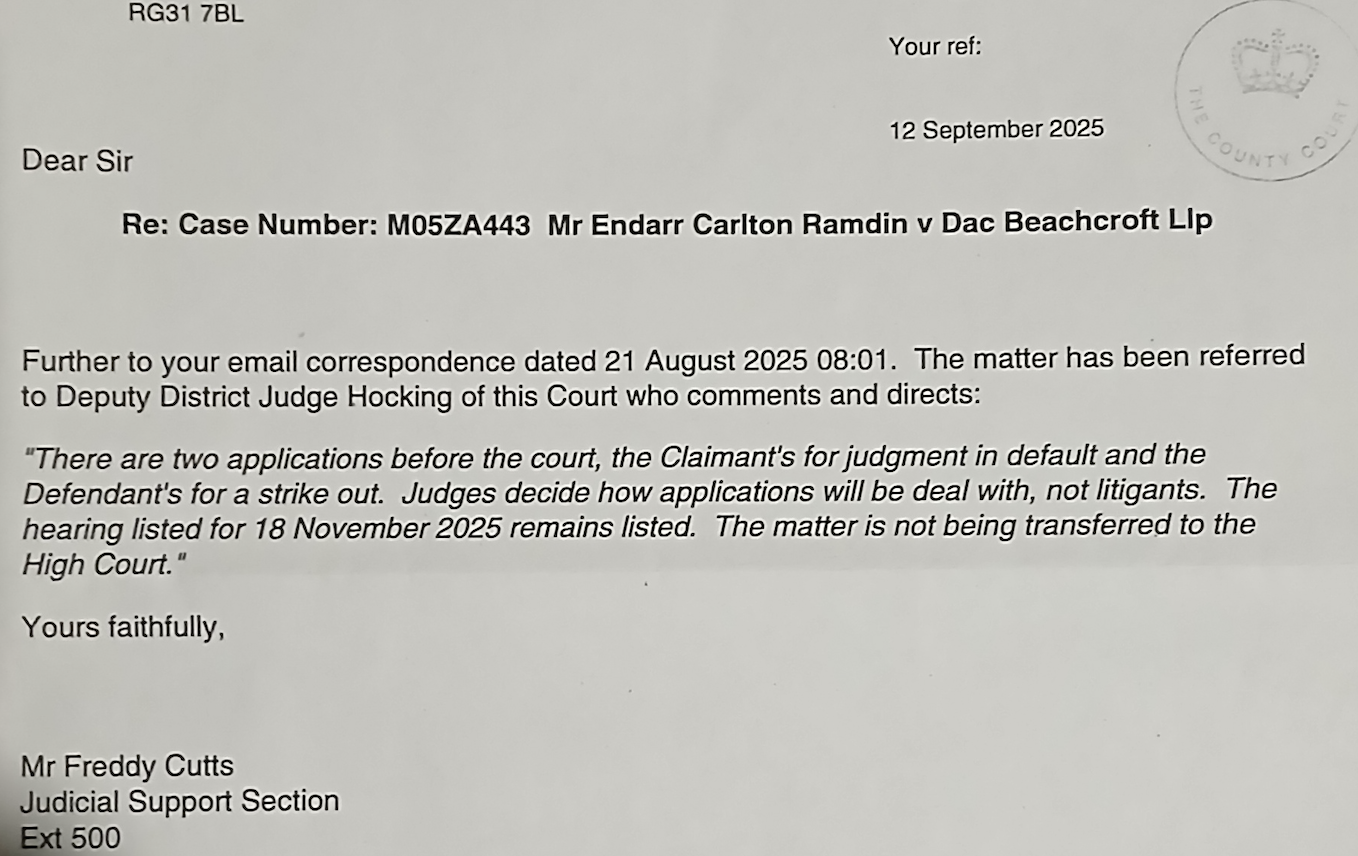
A skeleton argument served into a silent court — evidence of procedural interference layered on top of judicial freeze.
-
Image