
Civil / Consumer / Contractual Law
This section contains public-interest disclosures involving contractual disputes, consumer-rights violations, financial-service misconduct, misrepresentation, and civil-side procedural failures. These matters arise where companies, lenders, agents, insurers, retailers or service providers have acted contrary to statutory obligations, contractual terms, fair-trading standards, or proper civil procedure. Each disclosure provides the factual record, correspondence, statutory basis and legal breach engaged, allowing the matter to be categorised within the civil and consumer-law framework.
1. Contractual Failures and Civil Breach
I. Breach of Contract — Non-Performance and Repudiation
This section records disclosures where a contracting party has failed to perform obligations owed under an agreement, has withdrawn performance without lawful justification, or has engaged in conduct amounting to repudiation. These matters include failures to supply goods or services, refusal to honour repair or replacement duties, and actions taken contrary to agreed terms.
II. Misrepresentation Act 1967 — False or Misleading Statements in Contract Formation
Disclosures here include instances where a party induced agreement through false statements, concealment of material facts, or misleading omissions. Where misrepresentation is established, the contract may be rescinded or damages sought pursuant to the Misrepresentation Act 1967.
2. Consumer Protection and Statutory Rights
I. Consumer Rights Act 2015 — Sections 9, 10, 11 (Satisfactory Quality, Fitness for Purpose, As Described)
Cases in this category document failures by traders, financial bodies or service providers to supply goods or services that meet statutory standards of description, quality and suitability. Non-compliance with these provisions gives rise to refund, repair or replacement duties.
II. Consumer Protection from Unfair Trading Regulations 2008 — Misleading and Aggressive Practices
Disclosures involving aggressive sales conduct, omission of key information, false commercial claims, or behaviours calculated to distort consumer decision-making fall under these Regulations. Such practices constitute criminal and civil breaches.
3. Financial Misconduct and Credit-File Interference
I. Consumer Credit Act 1974 — Unlawful Lending, Enforceability and Information Failures
Matters within this section include improper credit assessments, defective default notices, unlawful charges, and conduct by lenders that undermines statutory protections afforded to consumers under regulated credit agreements.
II. Data Protection Act 2018 / UK GDPR — Accuracy, Fair Processing and Access Rights
Disclosures include inaccurate or unlawfully altered credit-file entries, suppression or refusal of Subject Access Requests, and data processed without transparency or lawful basis. These failures attract statutory liability and regulatory sanctions.
4. Service of Notices, Communication Failures and Procedural Omissions
I. Contractual and Statutory Notice Requirements — Failure to Issue or Serve Mandatory Communications
Many matters placed in this category involve failure to issue required notifications, incorrect communication channels, non-service of key documents, or omissions that prevent the claimant from exercising contractual or statutory rights. Such failures obstruct fair resolution and breach procedural duties inherent in civil and consumer law.
All Disclosure Cases Listed
Reading County Court, A nexus of procedural breakdown, lost filings, and judicial inconsistency across multiple Deputy District Judges.
-
Image
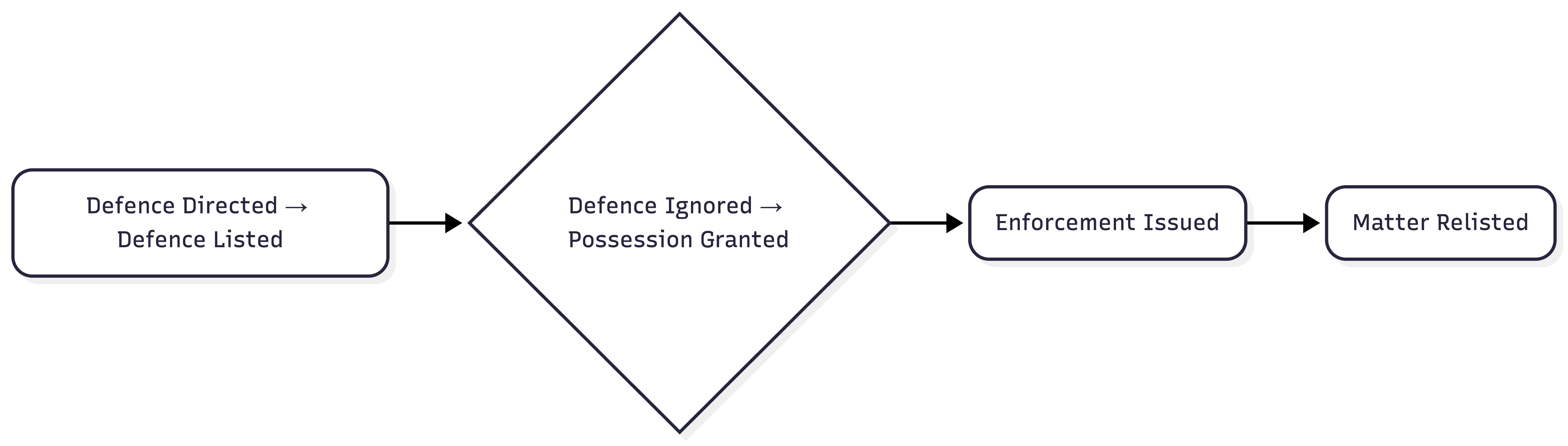
Embedded across NHS, insurers, and public-sector contracts, DAC Beachcroft’s dual role blurs state and commerce, turning governance itself into a client.
-
Image

Theale Surgery, where clinical duty met the shadow of its own defence firm, DAC Beachcroft LLP.
-
Image

From landlord misrepresentation to judicial neglect — a closed civic circuit of fraud and verification failure.
-
Image
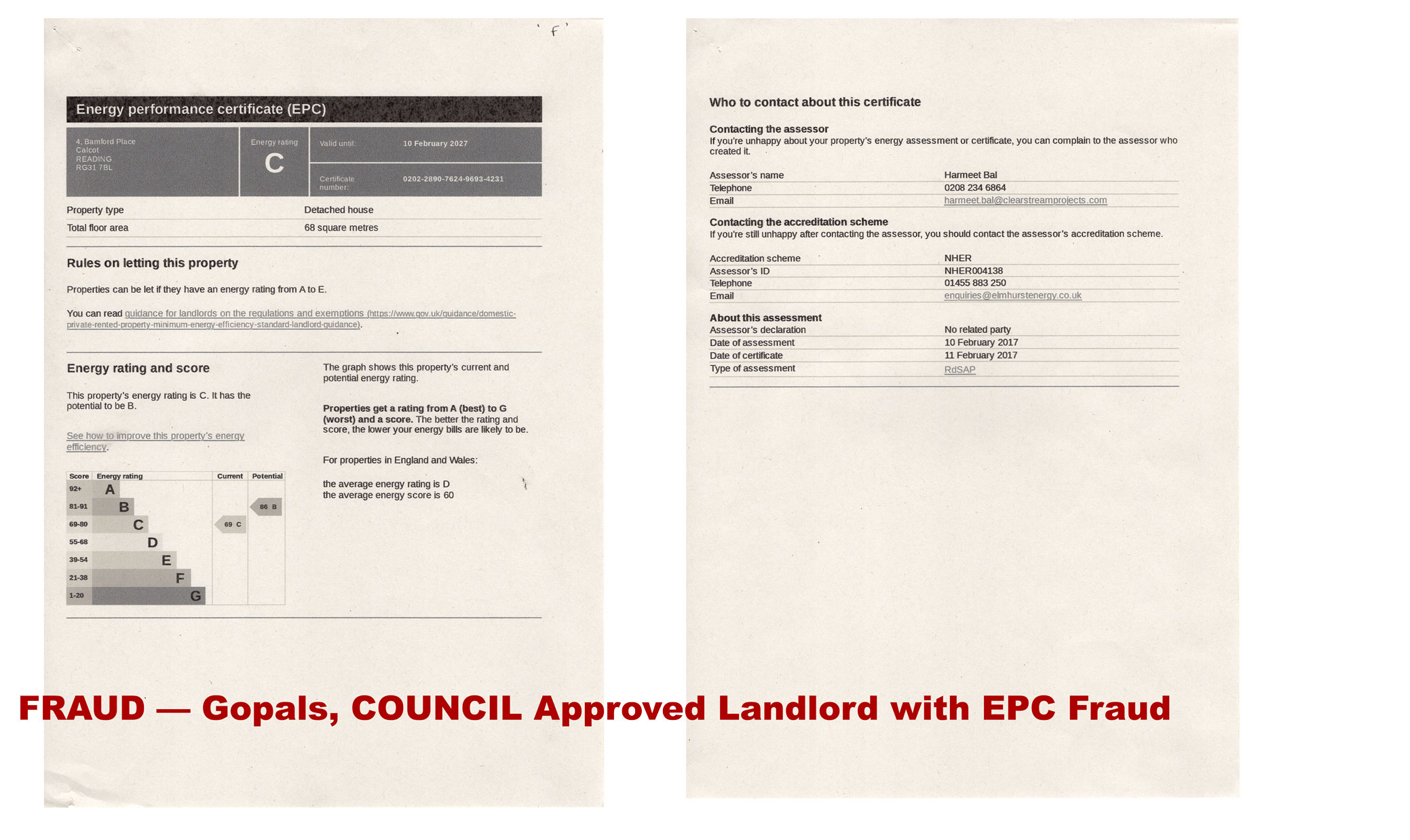
DWP / Universal Credit headquarters site of unresolved welfare-administration breaches.
-
Image

Service by unapproved channel during active proceedings a departure from rule-based process.
-
Image
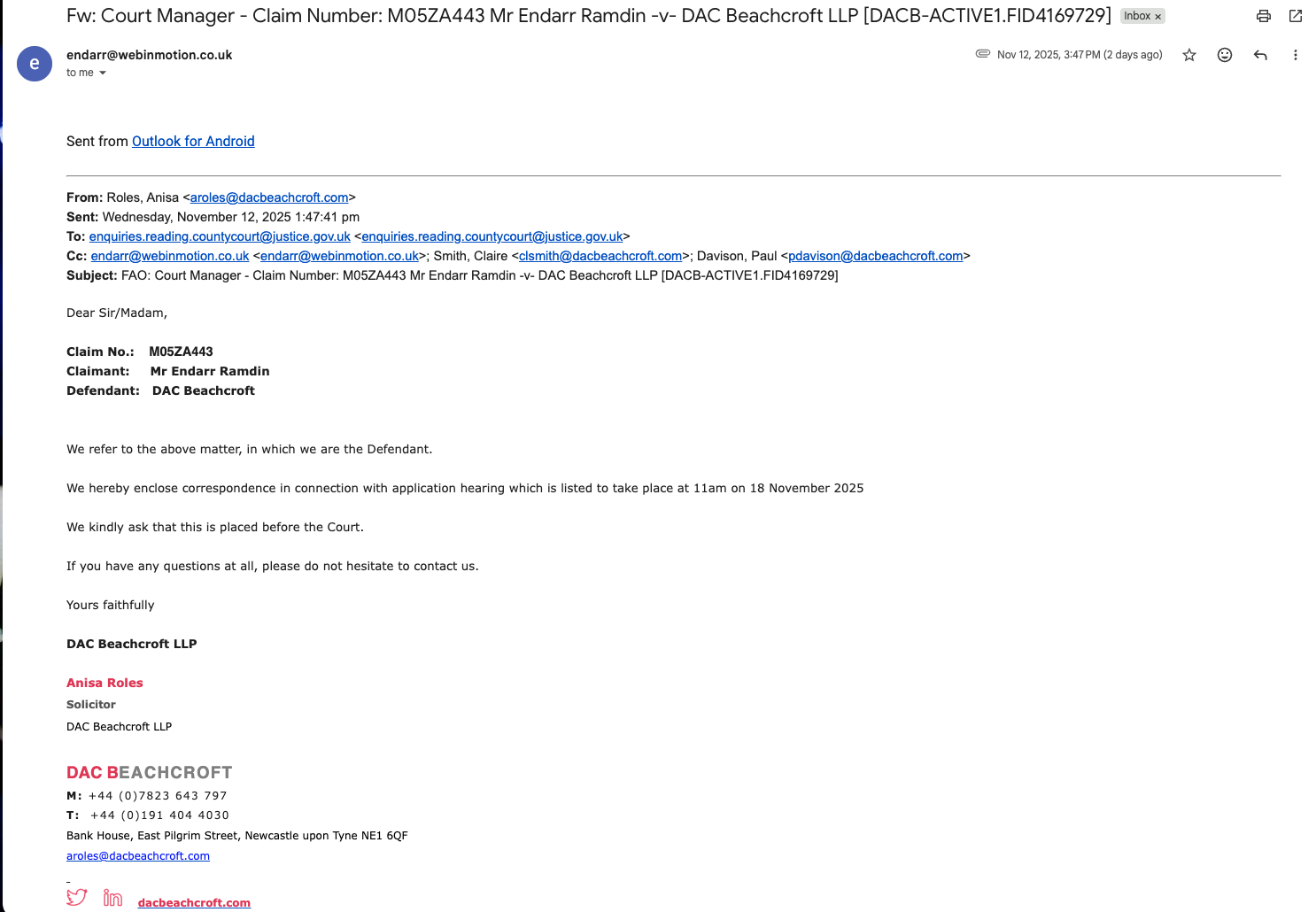
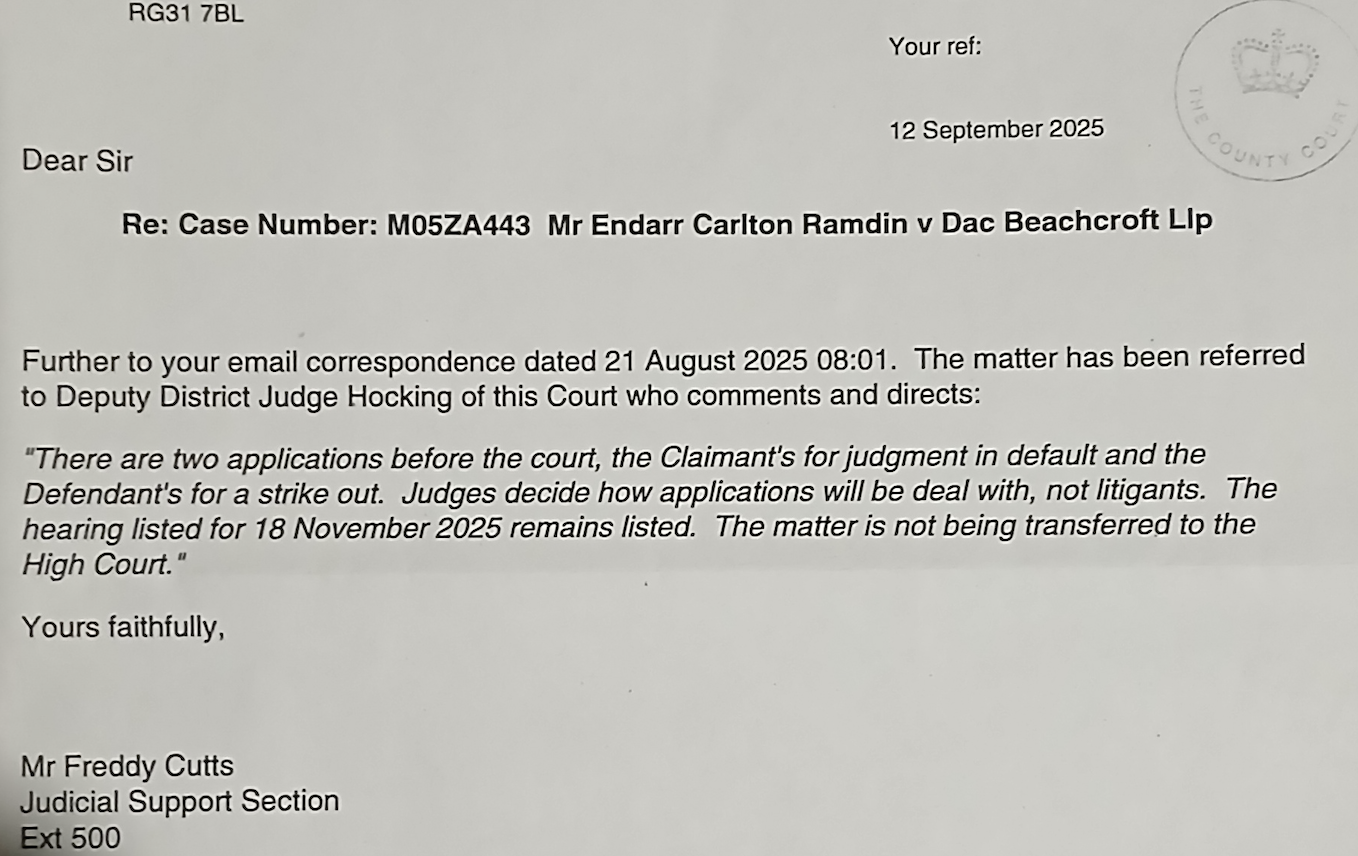
Judicial correspondence diverging from the Civil Procedure Rules before adjudication has begun.
-
Image
A skeleton argument served into a silent court — evidence of procedural interference layered on top of judicial freeze.
-
Image